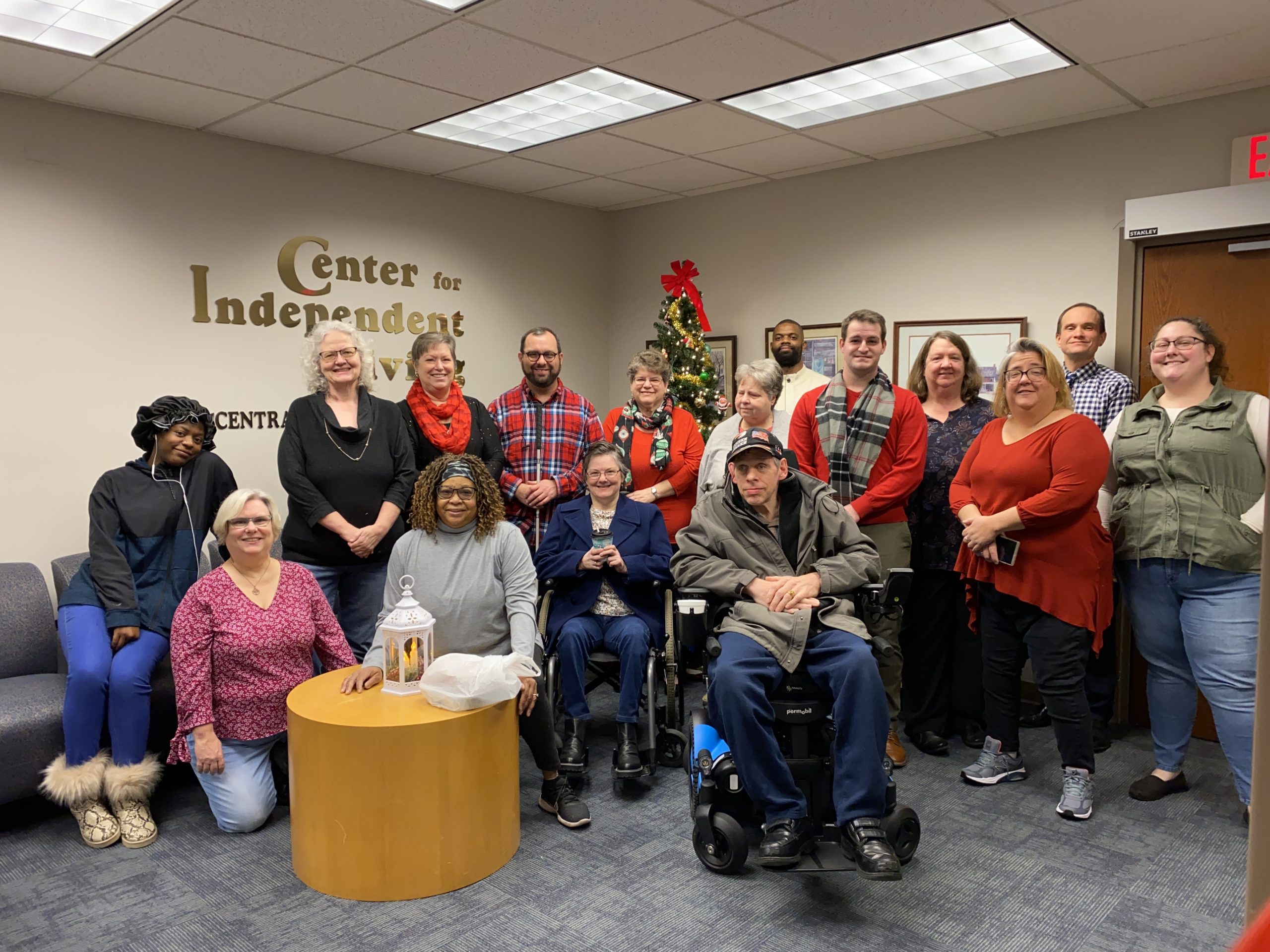
We’re looking for a few talented and conscientious volunteer board members to lead and strengthen our programs for people with disabilities. If you can contribute your time, thoughtfulness, passion, and leadership at least two hours a month and are interested in exploring this opportunity, visit Board Members | CILCP and complete the on-line Board Application, or call 717-731-1900 extension 213 to talk about board opportunities.
We’re especially looking for people with personal experience with a disability, people with marketing experience, people with financial experience, people from diverse ethnic backgrounds, or people who are on the younger side of the community.
We're Hiring
Direct Care Workers
Community Support Specialists
Send your resume to mzarreii@cilcp.org indicating the job which you are applying or complete the online application here.
"Nothing About Us Without Us"
Since the CILCP’s inception, it has established more than a dozen programs, and the Independent Living philosophy remains the heart of its mission. This philosophy simply affirms that all persons with disabilities have the right to choose and fully participate in all aspects of society. The CILCP is wholeheartedly committed to this philosophy and diligently works toward a continuum of comprehensive services for people with disabilities in Central Pennsylvania.
Home Care Services
Core Services
ADA Consulting
Nursing Home Transition
Intellectual Disability Services
Find us | Contact us
Address:
3211 North Front Street, Suite 100
Harrisburg,
PA 17110,
USA